

In-situ Lifestyle photography
Introduction
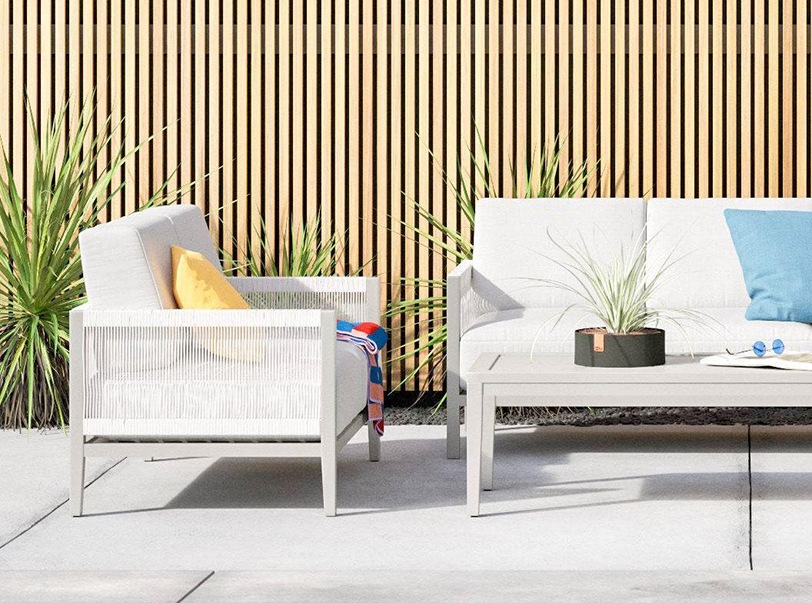
The primary purpose of in-situation photography is to feature our products in an ideal context, shown in their best light, with styling, propping and sometimes people to illustrate use scenarios.
In-situ photography is a key part of helping customers evaluate the product in their lives, so they can make a clear decision about its benefits and ultimately move them forward in their purchase.
Guiding principles
There are a number of guiding principles we can use when creating in-situ photography, which can be found below.
1. Paint the picture
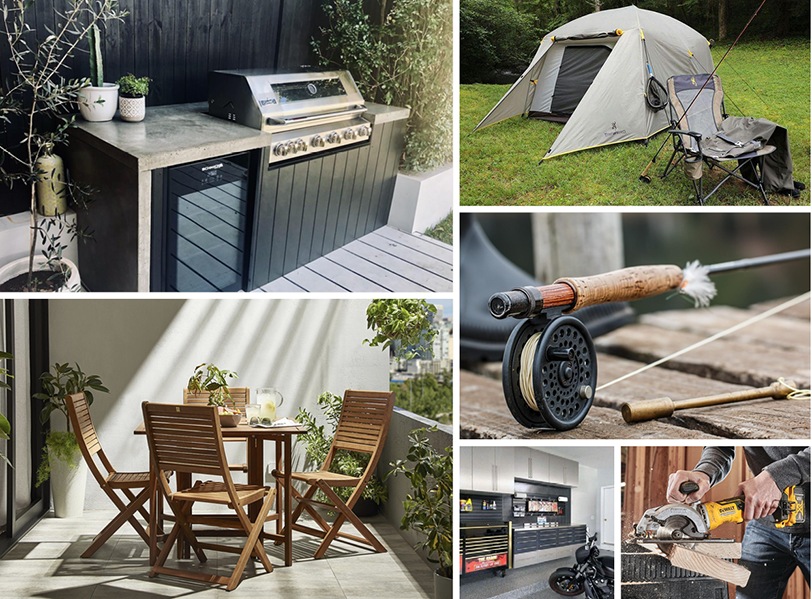
These demonstrative photos should help Canadians imagine how each product might look and function in their home, backyard, garage, on their outdoor excursion, or doing the job they need to tackle.
Wherever possible, try to shoot scenes in real places like a backyard, patio, kitchen, home garage, or campground.
Sometimes, due to weather or seasonality, it’ll be necessary to shoot indoors in studio. These setups should be styled and lit as realistically as possible.
2. Product first

The role of our in-situ photography is to show products in their best light, figuratively and literally. Set-ups should clearly demonstrate how things work to make them easy for people to evaluate. Well-positioned lighting and finding the best angles can also make a world of difference.
3. Supporting elements
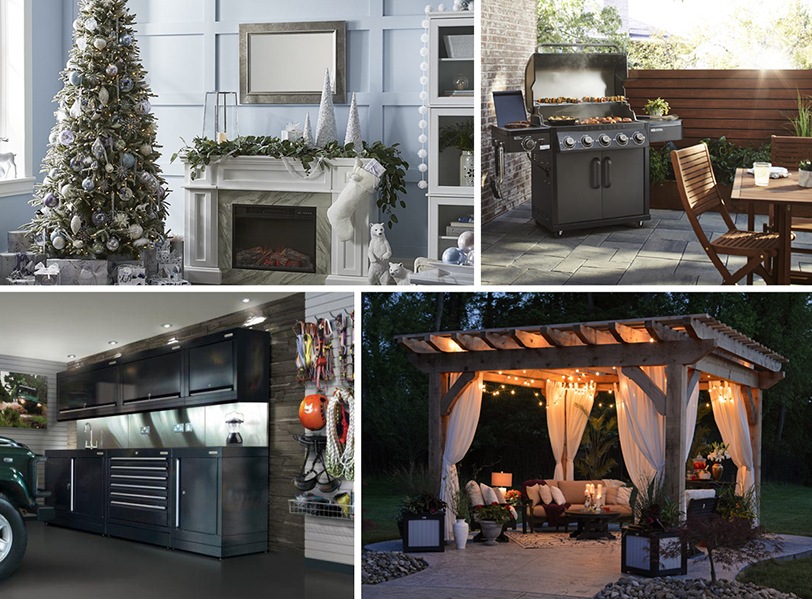
Every prop, colour and element must tie back to the product being featured. All props should be provided by Canadian Tire or one of its retail banners (i.e. Sport Chek, Mark’s). The only exceptions where propping can be sourced externally is if Canadian Tire does not sell the product (i.e. fresh food for a BBQ set).
4. Capture the details

When shooting, capture some of the details that help showcase the product. Maybe it’s a close-up of the fabric, or a special feature on a coffee maker. Small details that illustrate the craftsmanship, quality or functionality of a product is always engaging and informative.
5. Helping hands
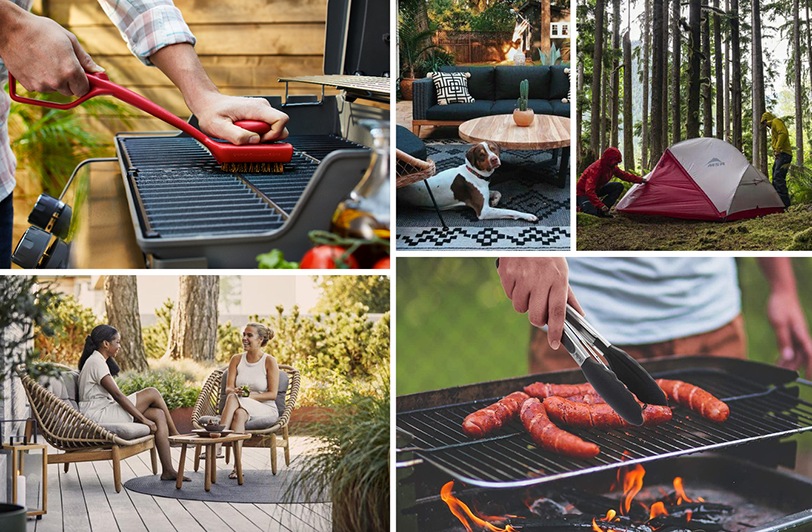
In some cases, talent may be needed for in-situ photography if it helps demonstrate how the product can be used or helps show its scale. Often this can be achieved with images that have the product centre-stage and the person is framed out (ie. not showing faces). Showing diversity in age, gender and skin tone is always important with actors and models.
For larger items, having a full person in frame to show scale is also an option. For example, someone sitting on a patio sofa to demonstrate how large it is. When people’s faces are in frame, their expression should look naturally relaxed, not overly emotive or performative.
Note: using talent in—situ photography may not always be necessary. Only use talent when it makes sense and be mindful of all associated cost implications and licensing fees.
Executional details
When executing in-situational photography, it is important to keep in mind a number of executional details. These include depth of field, lighting, functional compositions, expressive compositions, props and styling.
Depth of field
When determining depth of field consider whether the depth of field should be shallow or deep.

Shallow depth of field, with elements in the background out of focus is great for featuring a single product, shot close up.

Deep depth of field, where more of the image is in focus, are good for wider scenes with multiple items.
Lighting

Lighting for each image should be carefully considered to reflect the best time of day and atmosphere for each featured product.
For example, if the product is used at night, let’s capture it in the evening with glowing light.
No matter what the atmospheric lighting is, always ensure the product can be clearly seen and evaluated.
Here are some examples of lighting treatments that enhance the product featured while feeling natural.
Functional compositions or Expressive compositions
Composition is how visual elements are arranged within the frame. When creating a composition for in-situ images, we can take one of two approaches.

Functional compositions use angles that provide all the context needed for the consumer to best evaluate the product. For example, how many people does the patio set fit? How much room does it take up? Is there space for an extra seat? etc.

Expressive compositions use unique angles and cropping to create a more dramatic and engaging photo. These photos are best used on social media and specialty print covers.
Functional compositions

This style of composition features the product in an appropriate setting without over-styling or any distracting elements.
This helps our customers evaluate our products and clearly picture how they will function in their lives.
Expressive compositions

Expressive compositions are used to feature our products in a more lifestyle-oriented approach.
This approach is less about showing products in their entirety and more about showing it as part of the story of someone’s real life to help create interest.
Remember, these images are mostly used for social media and especially print as they are less functional.
Expressive composition techniques
Here are a few techniques to consider when creating Expressive compositions.
Peek-through—This technique gives the viewer a subtle glimpse into the next room or a peek into the neighbour’s yard. It adds anticipation and excitement to an image.


Dramatic angles—interesting angles can add drama to a composition. This helps the photography feel more interesting and can liven up otherwise boring products.


Direct and modern—shooting straight-on can help a product feel more modern and contemporary.


Ground up or over top—shot from-the-ground or overhead angles can provide unique perspectives.
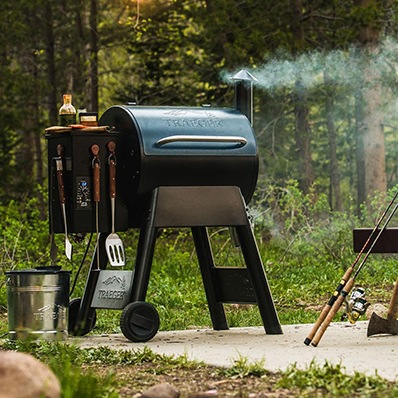
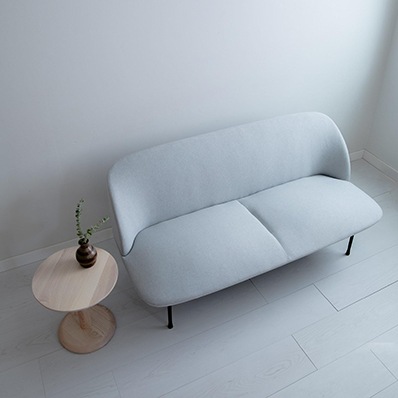
People—introducing a human element can bring an image to life, show scale or context. Use people only sparingly with in-situ photography.


Props and styling

Props should be carefully chosen to enhance the realism of the scene, show the product in a life-like setting and create a warm, inviting feeling.
Propping should never overwhelm the hero product featured or overall scene.
When selecting props think about your colour combinations. Will the props complement the scene and hero product or distract the eye?
Where possible, try pairing complementary products together that can potentially be purchased along with the featured item.
Where appropriate try to select props that best reflect the diversity of life, ethnicities and culture in Canada.
Photography don'ts

DO NOT over prop a scene.

DO NOT over enhance lighting.

DO NOT create bad compositions.

DO NOT create loose cropping.

DO NOT create dull settings.

DO NOT over complicate.
Stock compositions
Sometimes, it’s necessary to create compositions using stock photography due to seasonal or budgetary limitations.
When creating a composition using stock imagery, here are a few things to look for to get the best result:
• A unique angle
• Depth of field
• Foreground & background elements
• Talent not looking at camera
• Natural lighting
• Muted tones

Example 1—The barbecue and railing was photographed in studio while the background image is a stock photo. Notice how the railing helps break up the stock image making the composition feel believable.
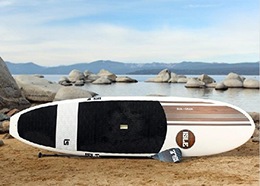
Example 2—The paddleboard and foreground was shot and lit in studio while the background image is stock photography. Notice the colouration of the sand matches the background image perfectly.
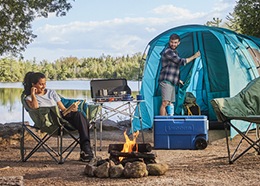
Example 3—This is a great example of matching the lighting direction between the studio shot and the background stock image.

Example 4—The foreground scene was shot and lit in studio while the background field is stock. Notice the attention to detail helping it all look seamless.

Example 5—Nice use of layering in the foreground elements along with the background stock photo.

Stock composition tips and tricks
Here are a few tips and tricks to achieve the best results:
• Ensure you match not only the lighting source in both angles but also try to match the tone.
• Try to match the depth of field of your composition.
• Always consult with a retoucher prior to the photoshoot.

The above image is a great example of correct lighting source as well as integration with the background.
A - Background lake image is a stock photo.
B - Foreground scene was shot and lit in studio.
Stock composition don'ts
Here are a few examples of things to avoid when composing two or more shots into one scene.
If unsure, consult a Canadian Tire Brand Team member for guidance.

AVOID overly perfect scenes.

AVOID cut and paste.

AVOID unnatural lighting.

AVOID awkward angles.

AVOID unrealistic compositions.

AVOID composing items shot differently.